Welcome to Littlecoates Day Care
Dear Parents and Children
Welcome to the Day Care class pages. Hopefully all the information you need is right here on our page. If it isnt then please dont hesitate to ask a member of our team.
About Day Care
We are an established Day Care setting for 2 year olds, part of Littlecoates Primary Academy.
We open during term time, we are able to offer 5 mornings per week and 2 year old funding is accepted.
Please contact the school for more information on how to register your child.
Visits to Day Care are warmly welcomed.
Email daycare@lpacademy.co.uk or telephone 01472 354601.
Please direct your enquiries to the Manager, Miss A. Sapsed or Deputy Manager, Mrs J. Tanton
Meet The Team

Miss Sapsed - Day Care Manager
I am also the Nursery teacher and it is lovely to see the Day Care children grow in confidence in readiness for starting Nursery. I often visit Day Care for a play and a chat as the children are situated next door to Nursery.

Mrs Tanton - Deputy Day Care Manager
Mrs Tanton is a very experienced Early Years Practitioner with over 16 years of supporting young children develop. Outside of school I like to devote my time to my dog, developing his agility skills. I also enjoy tap dancing including participating in charity tap-a-thons.
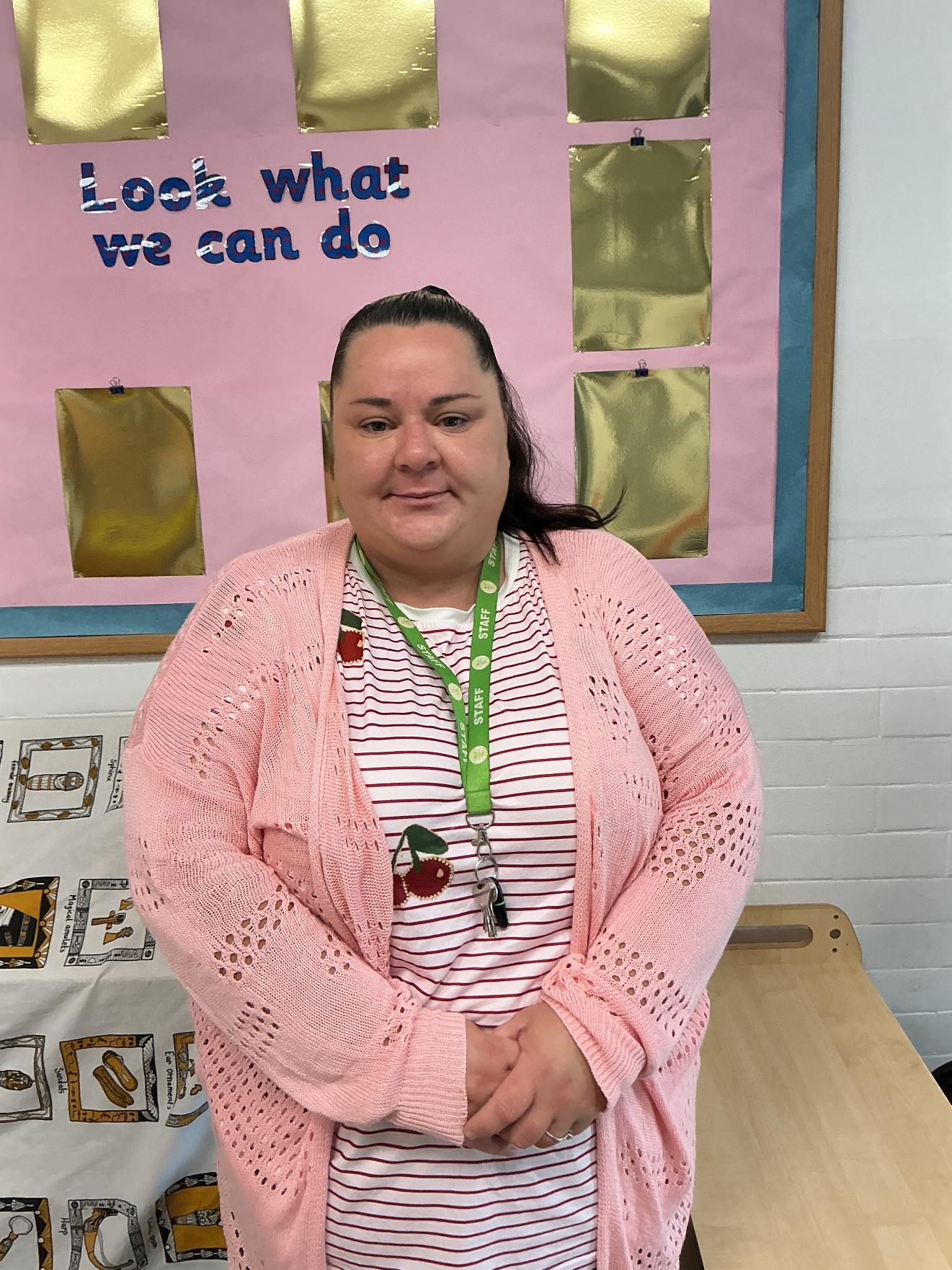
Miss Hennigan - Early Years Practitioner
Miss Hennigan is an Early Years Practitioner, supporting in Day Care in the morning and supporting in Nursery and Reception during the afternoon.
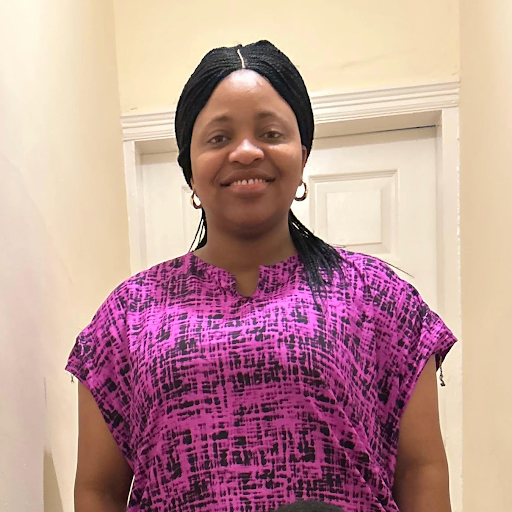
Class Governor
Our Class Governor is Precious Chiamaka Oha-Nwobodo. She pops in from time to time and keeps in touch to see how we are getting on.
Early Years Foundation Stage
In Day Care, we will work in line with the Early Years Foundation Stage curriculum.
"The Early Years Foundation Stage (EYFS) is the statutory framework published by the Department for Education that sets the standards for the development, learning and care of children from birth to five."
The 7 areas of the EYFS curriculum are:
• Communication and Language • Physical Development • Personal, Social and Emotional Development • Literacy • Mathematics • Understanding the World • Expressive Arts and Design
Being a small 10 place per session setting allows for personalised development plans for every child to ensure they develop and maximise their learning potential according to their individual needs.
What to expect and when
The EYFS document has been written for practitioners by the Government.
Below is the link to download a document entitled 'What to expect, when?' This document has been written for parents and guides you through the stages of your child's development between 0 and 5 years. It also details what you could do to support your child's learning and development.

|
[7313]What to expect when | [pdf 2MB] |

|
How you can support your child's learning
We value the knowledge of Parents and Carers and want to work together with you to provide the best start for your child. Working with you will ensure that starting at and also continuing at Day Care is a positive experience for both adults and children.
You are encouraged to share any comments, questions or concerns with a member of staff who will be happy to help.
Best Start in Life
Here is a link to the UK Government website 'Best Start in Life' which offers support from pregnancy, through all the milestones of the first years of life to helping your child be ready to start school.
 |
Best Start in Life |

How to support your childs development
Commmunication and Language is described as a prime Area of Learning in the child development guidance used by the Early Years sector. It is lovely to witness a young child's communication skills develop and there are many you can support your child at home. Often, when a child's communication develops, it helps with their feelings of frustration as they begin to be able to express themselves using language.
Simple, but highly effective ways that you can support your child's learning, particularly their communication and language, is to make time every day for the following. Just short bursts of ten minutes throughout the day will be hugely beneficial :
- Turn off devices, such as the television and telephones to play with your child. Simple turn-taking games, such as rolling a car back and forth to each other and taking turns to place pieces in a jigsaw puzzle help develop your child's attention and listening.
- When you go out and about with your child, 'talk aloud' what you're doing, as you teach language to your child by naming objects and using 'doing' words- verbs, such as, "We are buying onions. Put three onions in the basket." Involving your child by giving them an appropriate amount of responsibility, will help their confidence grow.
- Sing nursery rhymes together and learn the actions. Choose six classic rhymes that you will regularly practise to know them really well.
- Play outside for a while, whatever the weather, just wrap up appropriately. Experiencing different types of weather teaches your child so much about nature and can be really exhilarting. A windy day is often really exciting!
- Read a bedtime story. This is a lovely, calming routine, which prepares your child for sleep. In comparison, devices contain blue light, which is a stimulant, and does not support a restful sleep for your little one.
What to expect in the Early Years Foundation Stage
Follow the link below.
|
|
[740593]What to expect in the Early Years Foundation Stage | [pdf 5MB] |
|