Activity 3 - Water Around The World
This activity links to Global Goal 6.
We began this activity by learning about the bodies of water that are close to our school.
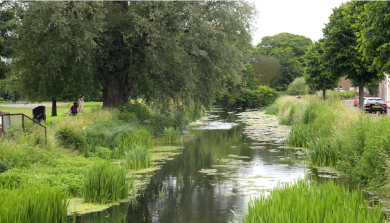
River Freshney
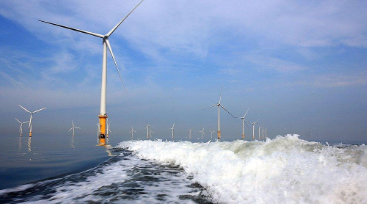
North Sea
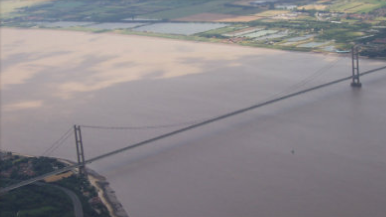
Humber Estuary
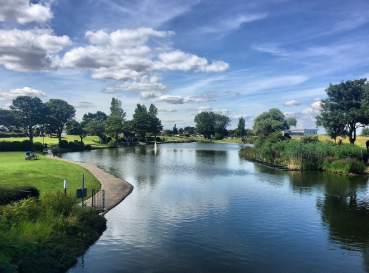
Cleethorpes Boating Lake
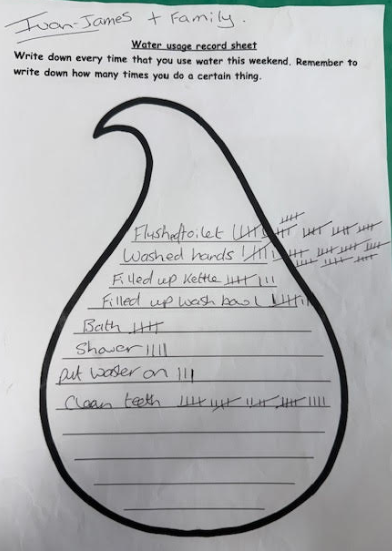
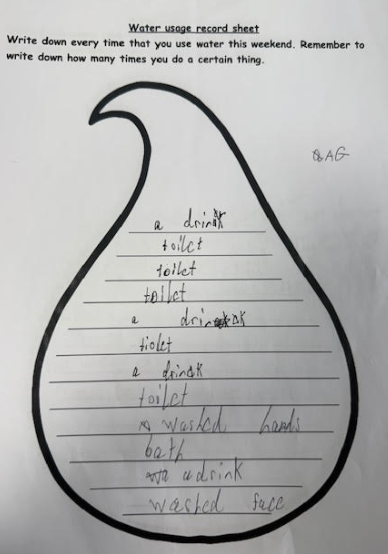
We then looked at how we use water.
Here are some of our ideas:
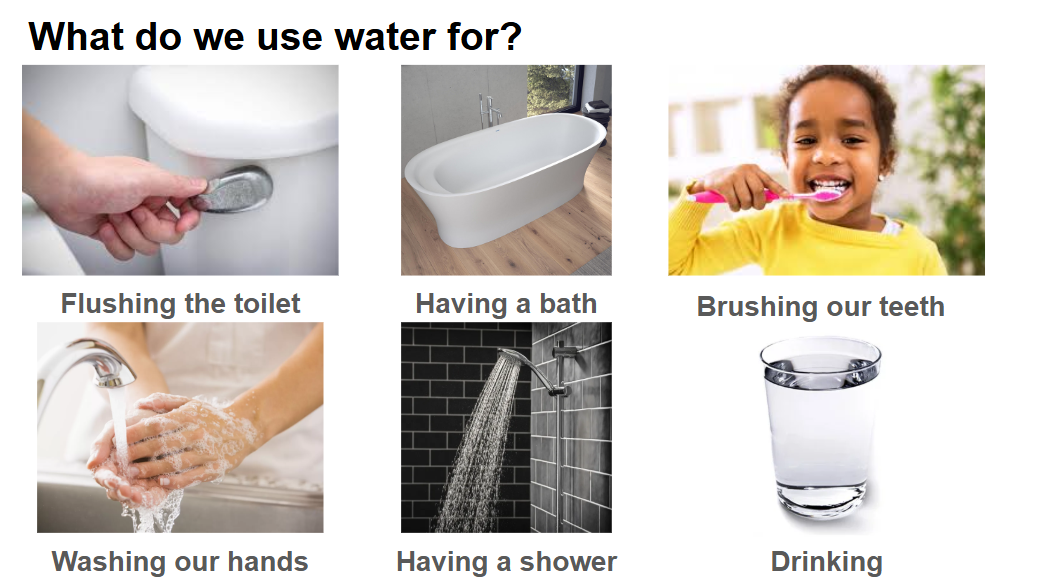
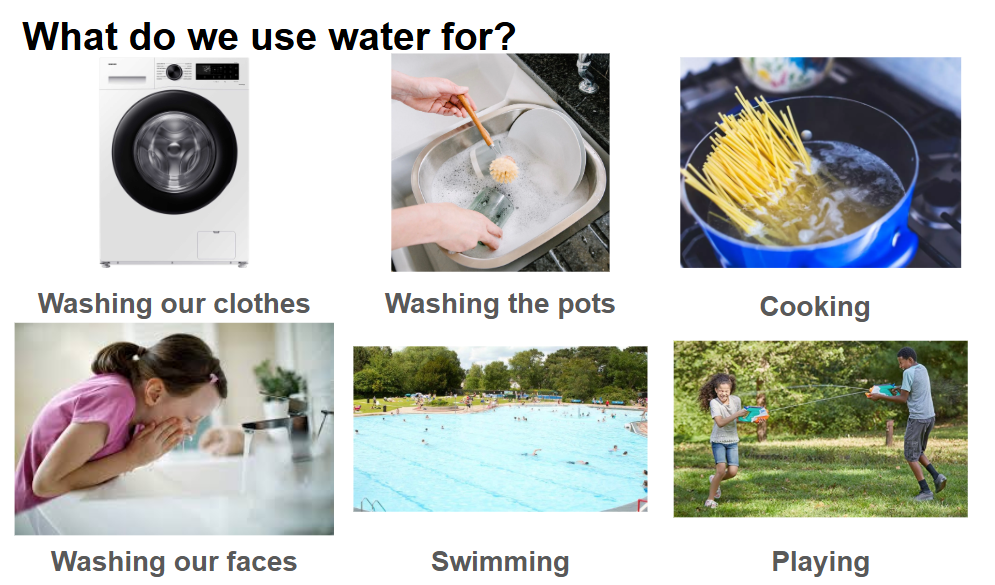
We then had to think about the question.
"Does everyone have access to clean water?"
We all said "No!"
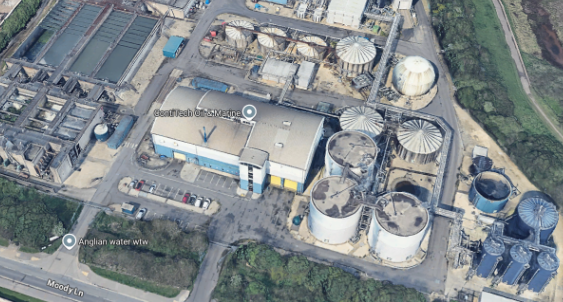
We learned that once we use water, it is taken to a water treatment plant near our school and homes and it is cleaned using chemicals.
The water is then safe to use again and is transported back through pipies to our school and homes.
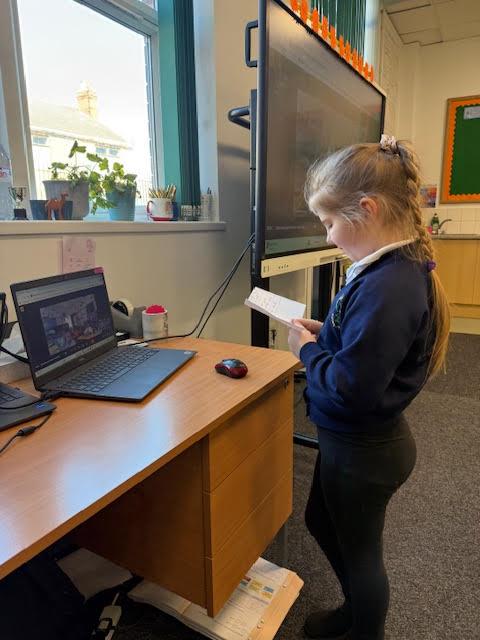
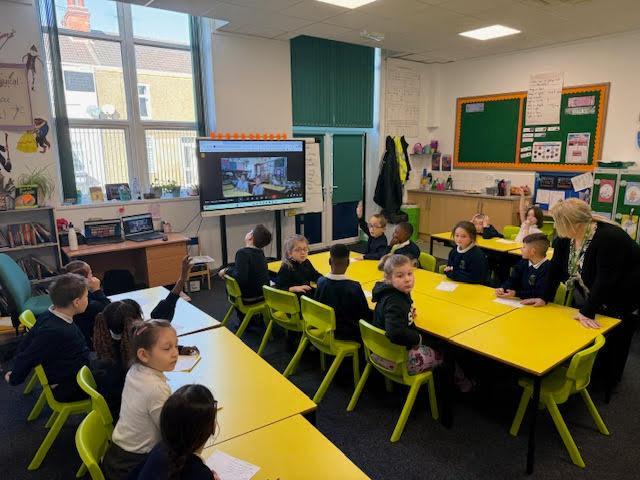
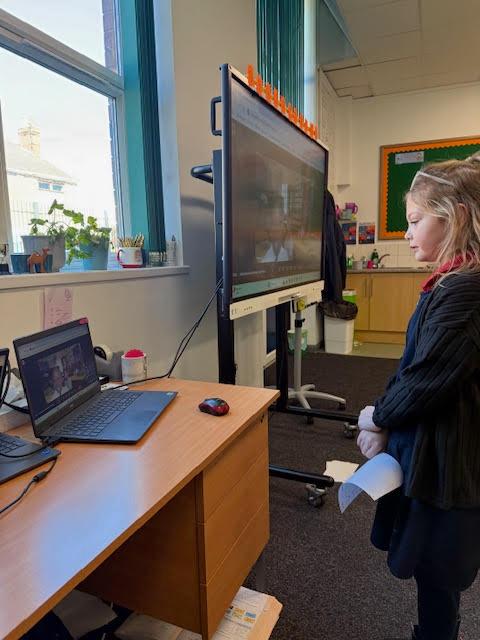
We then met with our partner school via Google Meet. We asked them lots of questions about their school and Nigeria.
We were then set the challenge to record how much water we used in a day.
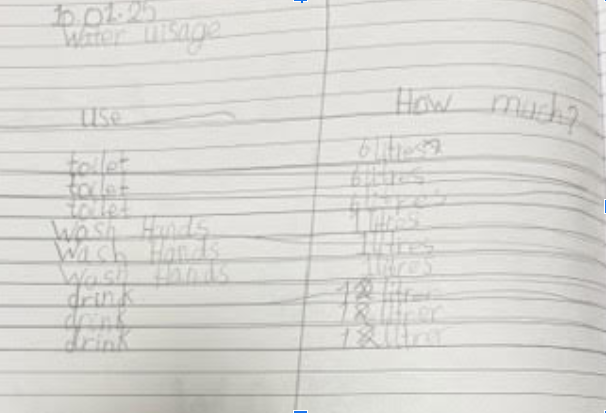
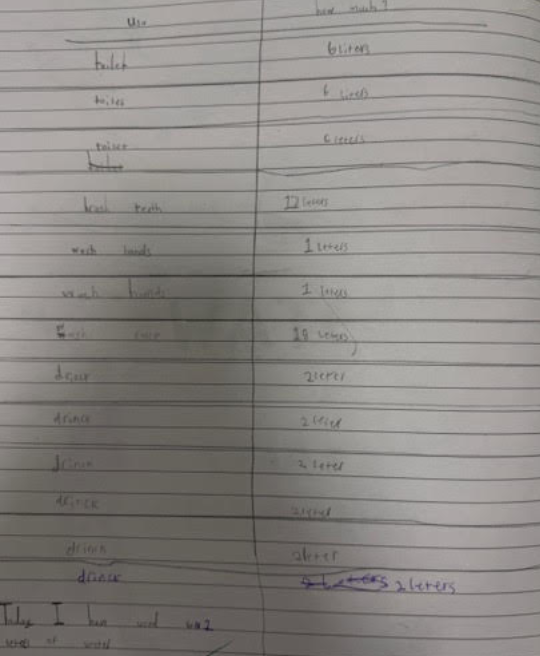
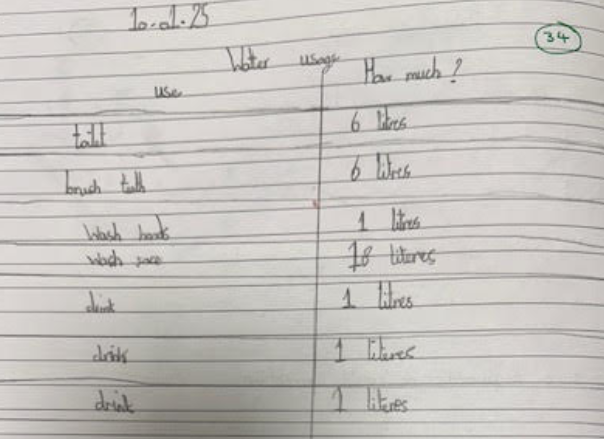
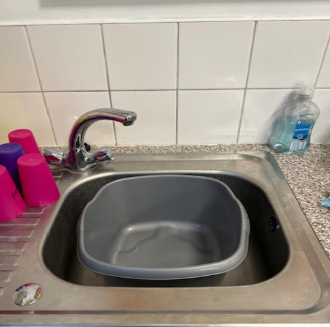
Overall, we calculated that between us, we had used about 1091 litres of water up until home time. We were very shocked at this.
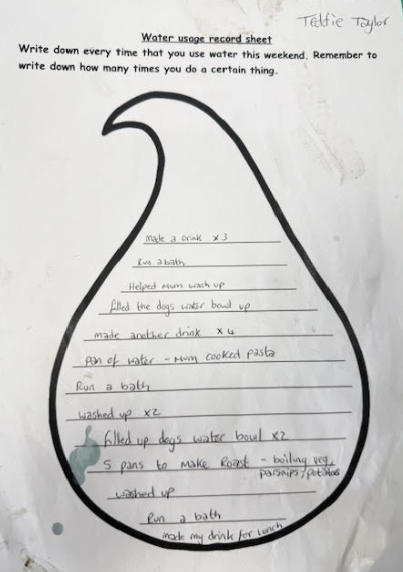
Some of us completed the same activity at home over the weekend.
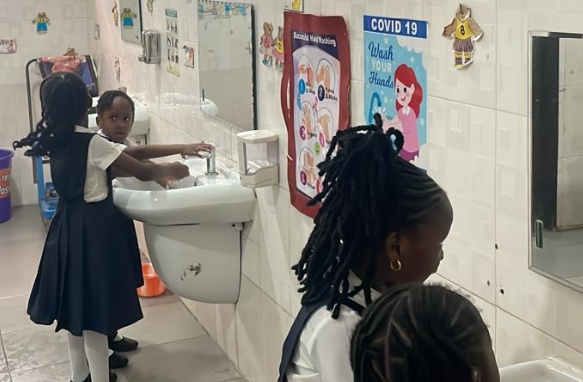
We were sent some images of how our Nigerian partners use water whilst at school.
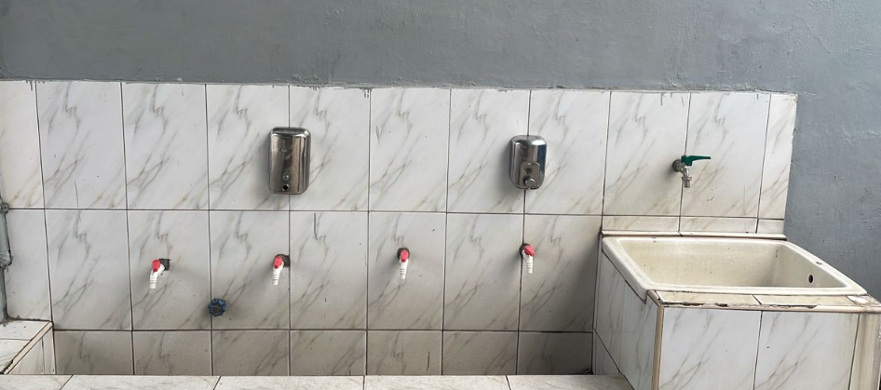
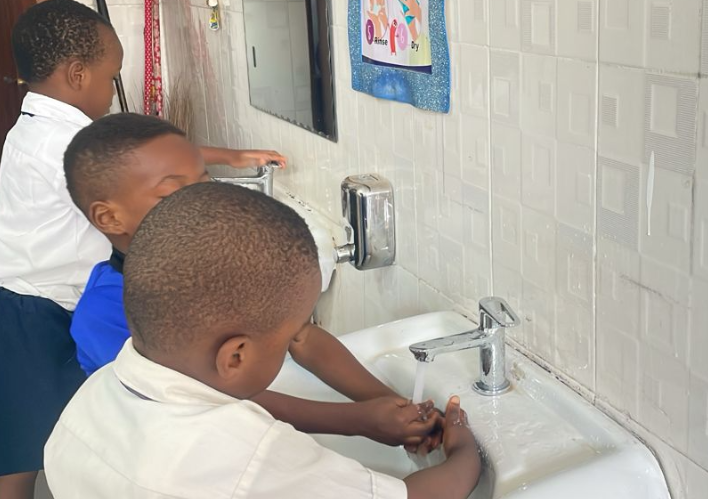
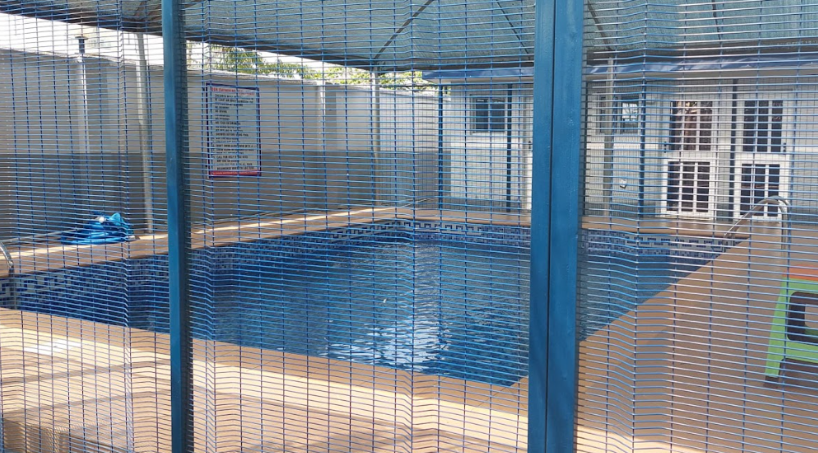
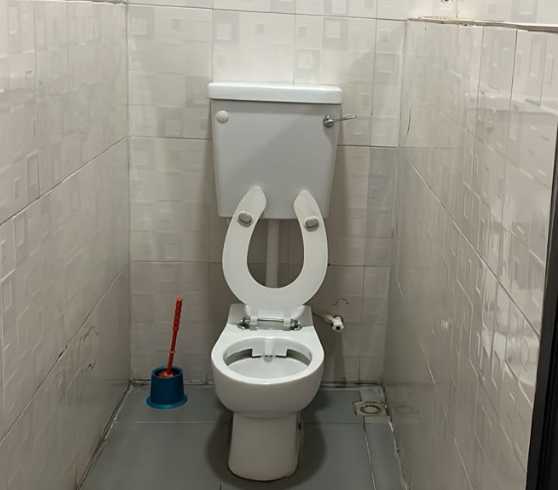
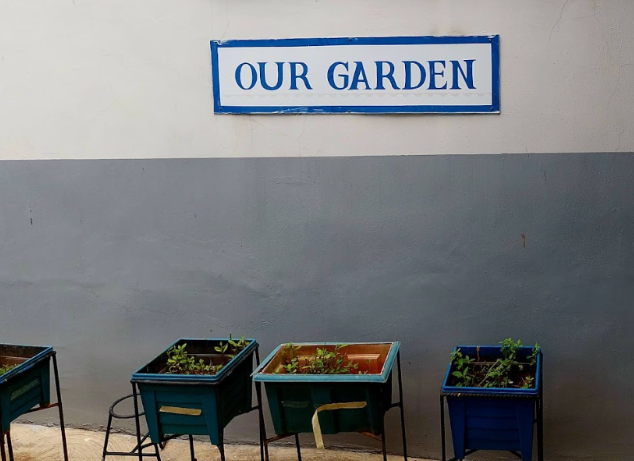
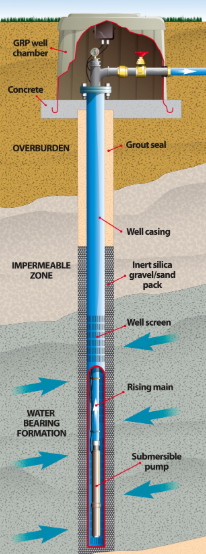
We recieved some information about where water comes from in Nigeria.
As you can see in the picture, most buildings in Nigeria get water from a borehole.
A borehole is a long, narrow hole that goes underground and pumps the water back up to the surface.
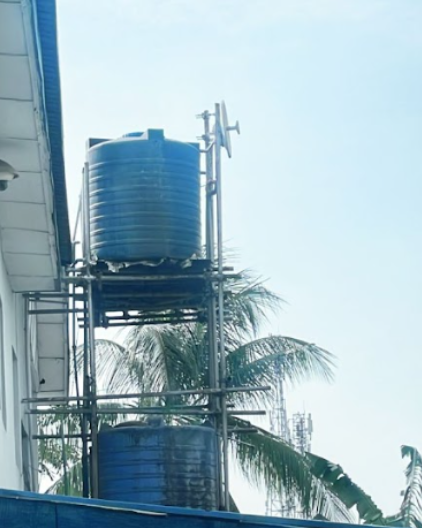
Outside of the school, there are two large water tankers are store water. These hold the water until it is needed.
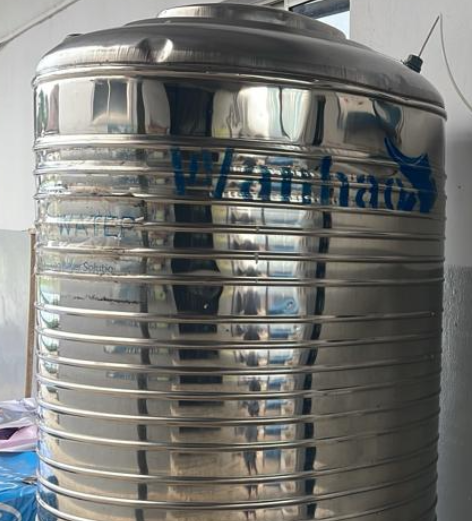
Inside the school, water is stored inside another water tanker that holds up to 1000L. This is refilled between 6 to 8 times a day.
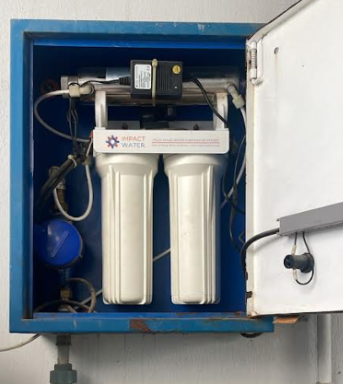
Before the water can be used, it is filtered and cleaned.
We didn't recieve any information about water usage in Nigeria.
Our Thoughts
I learned that they use water tankers at their school.
They have a swimming and we don't.
They get water from a borehole which is a long narrow hole and then the water is pumped up to be used.
We both have clean water to use.
We both have sinks that we can get clean water from.
We both have bathrooms that we can go to the toilet in and wash our hands.
We both have pipes to transport our water.
Some people don't have access to clean water.
We use different technology to get, clean and use water.
We both have a garden to grow things.
We have a school field and they don't.
In Nigeria, the water is cleaned in the school and in the UK it goes somewhere to be cleaned.
I learned that the water tanker has to be filled up many times a day.
We both have a playground.
Staff comments
This activity significantly boosted the children's appreciation for water. They seemed truly surprised by their own daily water consumption, especially for seemingly simple, often-overlooked tasks. Our Google Meet sessions with the Nigerian children offered a wonderful platform for them to inquire about their school, country, and water usage. Although numerous differences were identified, it was the discovery of similarities that I found most impactful.
Furthermore, comparing diverse water sources and tracing the "journey of water" was an excellent way for them to visualise water's origins and the processes involved in making it safe and clean. This experience seamlessly linked with our geography topic's global goals question, "Does everyone need the same amount of water?" By providing real-world context, this task greatly enhanced their understanding of this critical global issue.
Mr Cadman